Buying A Home In Coarsegold’s Ranch-Style Communities
July 23, 2026
July 23, 2026
Thinking about buying in Coarsegold because you want elbow room, a detached home, and a more rural foothill setting? You are not alone, but this is one of those markets where two homes that seem similar on paper can come with very different road, water, septic, and upkeep responsibilities. If you are exploring ranch-style communities in Coarsegold, this guide will help you understand how the area really works so you can buy with more confidence. Let’s dive in.
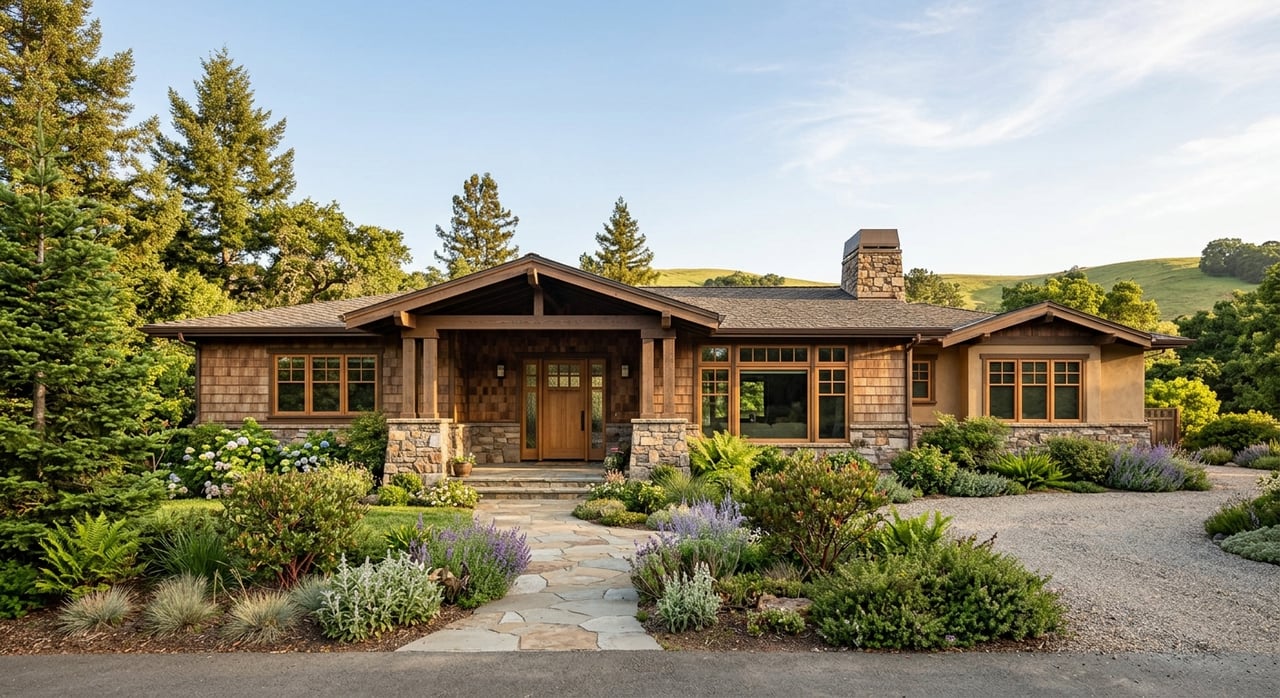
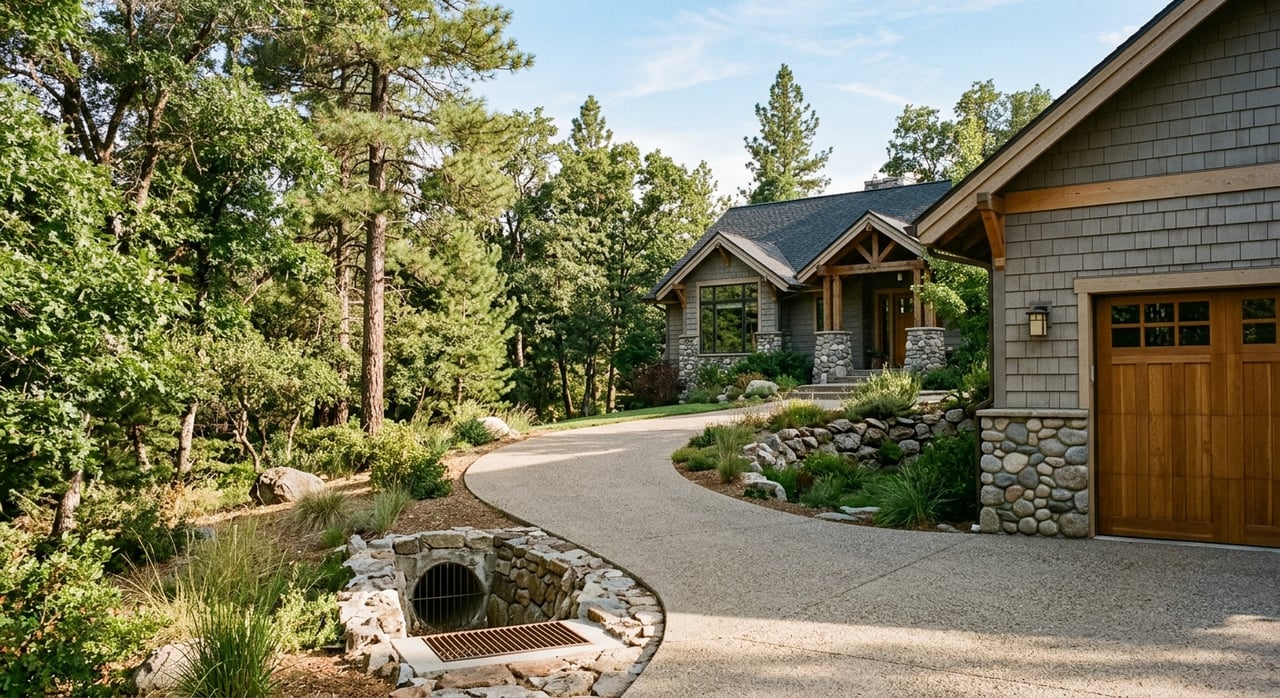
In Coarsegold, ranch-style living usually means low-density homes on larger parcels, not rows of similar homes in a standard suburban subdivision. The area includes custom homes, rural parcels, and community-style neighborhoods, so the setup can vary quite a bit from one pocket of the market to the next.
That matters because the home itself is only part of the purchase. In Coarsegold, the land, road access, utility setup, and local service structure often shape your ownership experience just as much as the floor plan or views.
Coarsegold is an unincorporated community in Madera County, and the county’s area plan covers about 92 square miles. Within that area, land uses include residential, commercial, industrial, open space, institutional, and other designations.
For you as a buyer, that means Coarsegold is best understood as a patchwork of micro-neighborhoods rather than one uniform subdivision model. Some properties sit in private communities with shared infrastructure, while others rely more heavily on county systems, service areas, or private improvements.
If you are looking for space, Coarsegold often delivers it. Yosemite Lakes Park describes its homes as custom-built on sites of 1 acre and larger, and the community spans about 10 square miles with roughly 2,263 parcels and 1,870 homes.
Indian Lakes Estates Service Area 1 covers about 684 acres and 504 parcels, which works out to a gross average of about 1.36 acres per parcel across the service area. That does not guarantee any specific lot size, but it does reinforce the larger-parcel pattern that many buyers are looking for in this part of Madera County.
One of the biggest mistakes buyers can make in Coarsegold is assuming every ranch-style community works the same way. It does not. Two areas may both offer larger lots and detached homes, but the rules, dues, and maintenance responsibilities can be very different.
Some neighborhoods function more like private communities with active management of infrastructure. Others are tied to county service areas or road districts. In practical terms, you should expect to compare each property on its own systems and obligations, not just its price and setting.
Yosemite Lakes Park is one of the clearest examples of a community-style setup near Coarsegold. It is a non-gated private community administered by the Yosemite Lakes Owners’ Association, and it includes shared amenities such as trails, golf, and equestrian features.
This is important because the association’s role goes beyond appearance standards. Yosemite Lakes Park states that its master plan includes management of vital infrastructure such as roads and the water system, which means an HOA here may act more like an infrastructure manager than a simple rules-based association.
If you are considering a home in a private community, ask for details on:
Those details can affect both your monthly costs and your day-to-day use of the property.
Indian Lakes Estates shows why local structure matters. This service area lies south of Coarsegold and is accessed from Road 417. County documents note that it includes 11.02 miles of paved roads and county-maintained minor rural roads in the county road system.
That is not the same as a fully private road arrangement. County budget materials also show that some nearby districts, such as Coarsegold South and Morava, are non-county roads and not part of the county maintained road system. So even within the broader Coarsegold area, road responsibility can shift from one community to another.
In a semi-rural market, access is a major part of ownership. You will want to know whether your home is reached by a county road, a private drive, or an easement-based access route.
That question is not just technical. It can affect maintenance expectations, parking, drainage, and even how easy it is to navigate future repairs or improvements. In Yosemite Lakes Park, for example, parking is limited to the road easement between the property line and the pavement, and trails are for residents and guests only.
Before you buy, it is smart to ask:
These questions can help you avoid surprises after closing.
Utilities are another area where Coarsegold buyers need to slow down and look closely. Unlike a typical tract neighborhood with one standard utility model, homes here may rely on private wells, community water systems, or special districts.
Wastewater can vary too. Madera County’s Environmental Health Division handles septic-related permitting and water-well permitting, and the county’s permit system specifically lists septic system permits, water-well permits, and well-destruction permits.
The county’s Coarsegold Municipal Service Review reported multiple potable-water special districts in the area, but no special-district wastewater service. That is a useful shorthand for buyers: water may be community-based in some places, while wastewater often remains an onsite responsibility.
In Yosemite Lakes Park, the Yosemite Springs Park Utility Company operates the community water system using deep rock wells through a separate board and staff. That setup is very different from a property served by its own private well, so you will want to confirm the exact water source for any home you are considering.
Ask these questions early in the process:
Madera County Public Health’s mountain-area services page notes that private-well water testing is available for Coarsegold-area residents, making water testing a practical due diligence step.
Because public sewers are not available in some community areas, wastewater systems deserve close attention. Yosemite Lakes Park explains that aerobic treatment systems are used there because of the terrain and because public sewers are not available.
That does not mean every Coarsegold home has the same setup. A property may have a conventional septic system or an aerobic system, and each comes with its own maintenance needs and records you should review.
When evaluating a home, ask for:
In Coarsegold, septic and well questions should be treated as core due diligence items, not minor details.
In foothill living, wildfire preparation is not optional. CAL FIRE states that 100 feet of defensible space is required by law, and burn permits are required for vegetative debris burning.
Local community rules may go even further. Yosemite Lakes Park requires a 30-foot weed-free perimeter on undeveloped lots, 100 feet of defensible space around structures, and weed abatement by June 1, with fines possible for noncompliance.
If you are drawn to a larger parcel, scenic setting, or extra room for equipment and outdoor living, that space also comes with upkeep. You will want to understand what maintenance standards apply and whether those standards come from state requirements, local community rules, or both.
This is one more reason Coarsegold should be approached as a market of micro-neighborhoods. The ownership experience can shift based on the parcel, the road structure, the utility setup, and any layered community requirements.
As you compare ranch-style communities in Coarsegold, keep your focus on the full ownership picture.
A home with a great layout and larger lot can still be the wrong fit if the infrastructure responsibilities do not match your goals or budget.
If you are weighing Coarsegold against other foothill towns, compare more than price, lot size, or scenery. Madera County’s municipal service review framework groups Coarsegold with other foothill service areas such as Bass Lake, North Fork, and Oakhurst, which is a useful reminder that infrastructure should be part of the comparison.
In practical terms, compare each area by road maintenance, water source, wastewater disposal, and wildfire requirements. Those factors often tell you more about long-term ownership than listing photos ever will.
Buying a home in Coarsegold’s ranch-style communities can be a great fit if you want space, privacy, and a more rural foothill feel. The key is understanding that this market is not one-size-fits-all. Each property may come with its own mix of county oversight, private infrastructure, service-area obligations, and maintenance expectations.
If you want a guide who values local nuance and practical due diligence, Shannon OBrien can help you think through the questions that matter before you buy.
Stay up to date on the latest real estate trends.
Let me work hard for you and make all your real estate investments easy, fun, and most importantly, happen! I look forward to working with you.

40307 Highway 41 Oakhurst, CA 93644