Smart Strategies for Saving for a Down Payment
November 14, 2025
November 14, 2025
Purchasing a home is a big financial step and the amount that you need to save for a down payment can be daunting, but it’s certainly not impossible. Homeownership can be one of the cornerstones of building wealth. But to ensure that it is truly a wealth-building tool and not a financial burden, you must be prepared for the financial obligations of your investment. This means not only being able to afford your monthly mortgage payment and other expenses of owning a home, it also means saving for a down payment. Knowing how to save for a down payment takes a little bit of planning, a lot of discipline, and sometimes more time than you realize. Here are some key ways to help ensure you have enough money when it's time to go house-hunting.
The first task is to create a precise plan to save for your down payment. You must determine how much you need, how long it will take, and adjust your budget accordingly. Regardless of what you are pre-approved for, you want to be able to comfortably afford your monthly payments, and not end up house poor.
Once you’ve determined your monthly savings and timing goals, continue to work on identifying creative ways to fast-track your savings and shorten the duration.
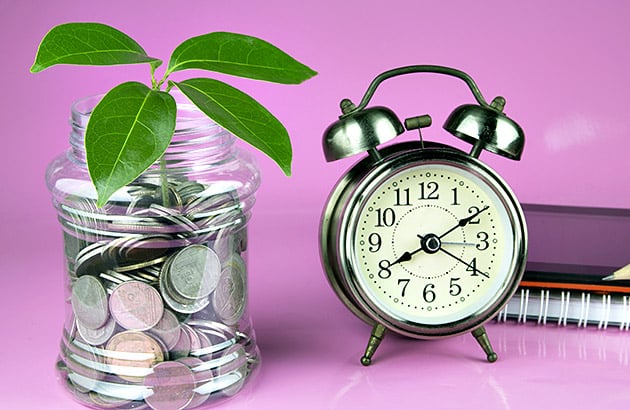
Open a Separate Savings Account: Because you'll be saving a large sum of money, open a separate account that will allow you to reach your goal faster by accruing interest. Traditional savings and checking accounts don't provide much interest, so they aren’t ideal. The best options allowing your money to work for you, while still easily accessible, are either high-yield savings accounts or money market accounts. Decide which option is right for you and transfer a fixed amount into this account each month. Better yet, you can set up automatic direct deposits from each paycheck through your employer, or automatic bank transfers from your checking account on a specified date each month. Saving money doesn't come naturally to most people, so using automation ensures that you are making progress toward your goal and sticking to your plan.
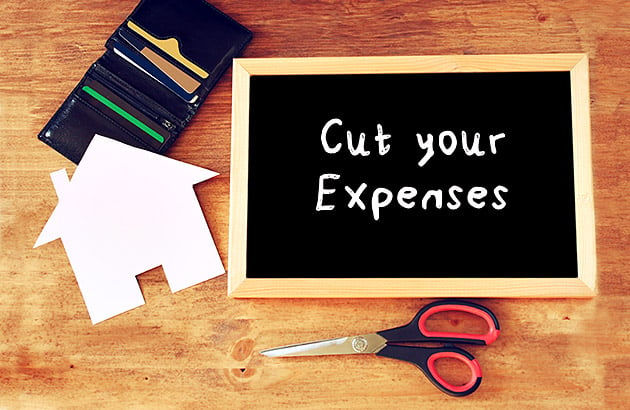
Track and Cut Expenses: It might come as a challenge, but it's time to get tough and cut the extras. Keeping your end goal in mind, tighten up your spending by eliminating and/or lowering your expenses. Put the money you would have spent on these items into your down payment savings account. You'll be amazed at how much money you find when you pay attention to your spending. What are you currently paying for that you can (temporarily or permanently) do without?
Vacations: For the time being, look into creative staycation ideas or activities to do locally and save the funds you would be spending on travel, lodging, and food.
Gym Membership: Pause or cancel it, replacing it with in-home exercise, free workout downloads or apps. These will keep you motivated enabling you to reach your goals, physically and financially.
Cable: Consider cutting it down or eliminating it and subscribing to a streaming service.
Cell Phones: Reduce your plan or switch providers, or consider switching to a no-contract plan.
Subscriptions: How many services or products do you subscribe to, and actually use? Eliminating some or all of these will certainly save you money.
Eating Out: Reduce eat-out/take-out habits, focusing more on preparing homemade meals that are a fraction of the cost.
Shopping: Trim your shopping (clothing, shoes, luxuries) allowance to 'Needs vs. Wants'.
Name Brands: Select generic brands at the store.
Starbucks: Scrap the expensive coffee habit.
Stash 'Unexpected' Money: Instead of spending it, immediately depositing unexpected money, such as a stimulus check, inheritance or bonus check into your savings account will give it a significant boost. Or, if you receive an increase in salary, continue to live off your previous income and deposit the new balance into your savings fund and watch it grow.
Sell Your Assets or Belongings: Do you have extra stuff sitting around your house? Sell it via online sites or a garage sale to bring in some extra cash. Perhaps you are working from home and don’t need multiple vehicles. Consider selling a car, and not only will you be able to stash the cash from the purchase, but you will save on the monthly payment (if applicable) and auto insurance as well.
Get a Side Hustle: Earnings from a second job, even temporarily, can help to make substantial contributions to your down payment savings. When considering a side hustle, think about options that either complement your current profession or appeal to your sense of passion. For example, you are a teacher, but you love refinishing furniture. Refinishing furniture could be something you can do evenings, weekends, and summers to earn extra income. Some other ideas include:
Enjoy Cooking? Join Pampered Chef (just one of many Multi-Level Marketing gigs) and inspire others to love cooking too with awesome products and cooking demonstrations.
Like Driving? If you don’t mind engaging in small-talk with strangers or making deliveries, enjoy a flexible schedule with businesses like Uber, Lyft or DoorDash.
Enjoy Teaching? Consider tutoring jobs or ways to teach English to speakers of other languages. With an advanced degree, you could earn even more.
Love Pets? Being a dog-walker or house/pet-sitter are great ways to get some exercise, fur-baby therapy, and make money at the same time.
Borrow from Relatives: Monetary gifts toward your down payment can come from your family, spouse or a domestic partner. Lenders will usually allow borrowers to use monetary gifts for a portion of the down payment, but requires the gifted amount in your loan application, as well as a Gift Letter from the family member stating that the funds are indeed a gift and no repayment is expected.
Redirect (Temporarily) Your Retirement Savings: Your retirement savings are an investment in your future, but so is owning a home. Don't borrow from or cash out your retirement accounts for a down payment, as you'll get hit with taxes, early withdrawal penalties, and damage the long-term growth of your retirement savings. Instead, consider temporarily redirecting a portion (or all) of your monthly retirement savings toward your down payment. However, after you reach your down payment goals, be sure you direct the money back to your retirement fund.
It's important to keep in mind that a down payment isn't the only expense you need to save for before buying a home. So while saving for your down payment, and though all of these may not apply to your situation, it's good to have extra funds available for miscellaneous expenses that may come up, including:
Closing Costs
Inspections and Appraisals
Moving Expenses
Renovation Costs
Furnishings and Decor
Homeowners' Association Fees
The great news is that the money that you save for a down payment will be put toward your mortgage. Again, this means that the more you save, the less your monthly mortgage payment will be. Be consistent and stick to your plan, and before you know it, you'll be financially prepared and ready to purchase your home!
Stay up to date on the latest real estate trends.
Let me work hard for you and make all your real estate investments easy, fun, and most importantly, happen! I look forward to working with you.
40307 Highway 41 Oakhurst, CA 93644