Seasonal Living Near Yosemite Valley: Housing Options
July 16, 2026
July 16, 2026
Wondering what it really means to live near Yosemite Valley for part of the year? You are not alone. Many buyers and seasonal residents picture a cabin close to the park, but the housing reality around Yosemite is more nuanced than it first appears. If you want a clearer view of where to look, what types of housing exist, and which gateway areas fit different goals, this guide will help you sort through the options. Let’s dive in.
If your first thought is to live in Yosemite Valley itself, it helps to reset expectations early. The Valley is primarily set up for visitor stays, camping, wilderness access, and park operations, not for a broad public homebuying market.
Most overnight options in Yosemite Valley are lodging and campgrounds, ranging from hotel-style stays and tent cabins to reserved campsites. Yosemite also maintains employee housing in Yosemite Valley and El Portal for park operations, including seasonal workers. In practice, that makes the Valley more of a work-and-stay environment than a conventional residential market.
As of 2026, an entrance reservation is not required, but overnight stays still depend on lodging, camping, or wilderness planning. The park also notes that sleeping in a car or RV is not allowed except in individual campsites, so flexible vehicle-based overnighting is not a substitute for housing.
If you want seasonal living near Yosemite, the real choices usually fall into a few clear buckets. Each one serves a different type of need, from short stays to second-home ownership to longer-term renting.
For short seasonal use, in-park options include hotel-style rooms, tent cabins, campgrounds, and permitted wilderness or backcountry stays. These options can work well if your goal is recreation access and a temporary base.
They are less useful if you are hoping to buy a traditional home or establish a more flexible long-term setup. Availability can also be limited, which is why planning ahead matters.
When in-park lodging is full, Yosemite points people toward private lodging and gateway communities along Highways 41, 140, and 120. That puts places like Mariposa, Midpines, Oakhurst, and Fish Camp into the conversation for buyers and seasonal residents.
These nearby communities are where a more conventional housing search usually begins. If you are looking for a home, cabin, or property with longer-term usability, you will likely spend more time evaluating these areas than Yosemite Valley itself.
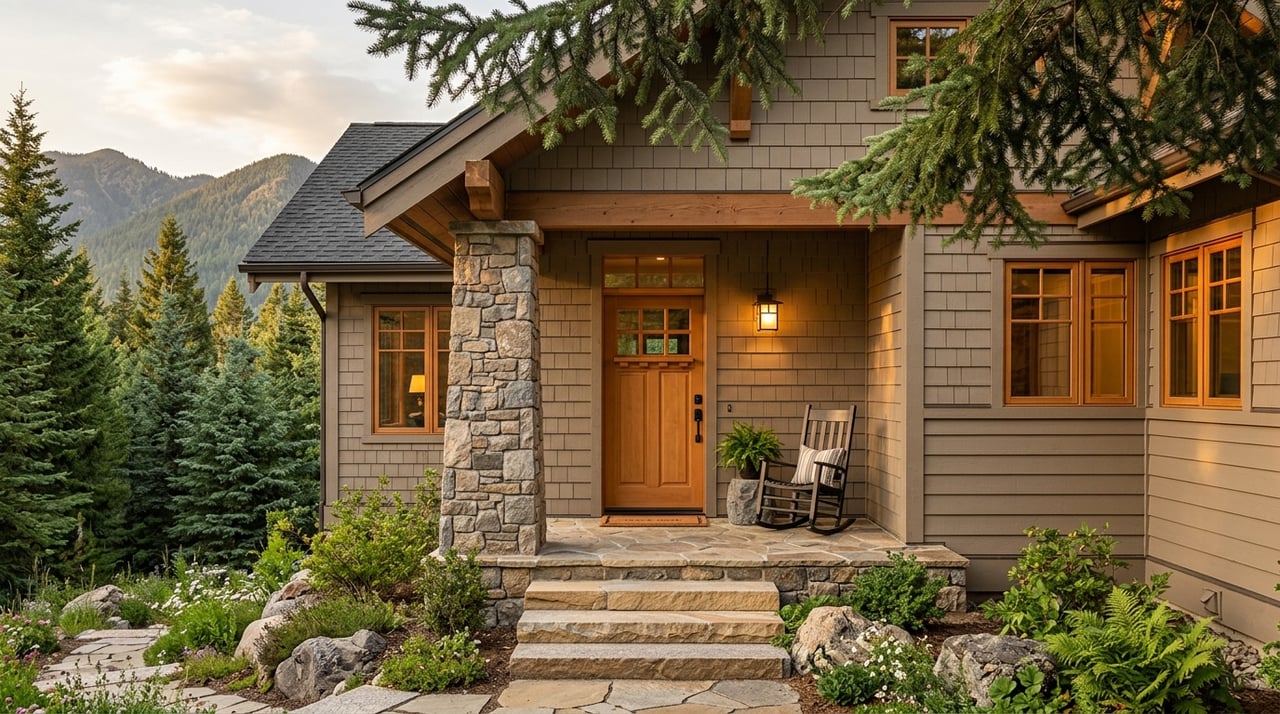
For many buyers, the most appealing seasonal-living idea is a second home or mountain cabin. In this region, that kind of search often points toward cabin-oriented gateway markets rather than the park itself.
Bass Lake stands out as the clearest second-home market in the wider Yosemite gateway area. Local agency review shows that the population there can more than double in summer and winter because of cabins and homes used as vacation rentals, which is a strong sign of a deeply seasonal market.
If buying is not your first step, a long-term rental may offer a practical way to test seasonal living patterns before making a purchase. In this area, the 30-day mark is especially important.
In Mariposa County, rentals must be approved before renting, and the county transient occupancy tax applies to stays under 30 days. In Madera County, stays of 30 days or more are not subject to transient occupancy tax, while short-term rentals require county registration and compliance.
The simplest way to understand housing near Yosemite Valley is to think in terms of gateway communities. Each area offers a different mix of housing style, service access, and seasonal feel.
Mariposa is often the easiest area to understand if you want a more town-like setting. It is the county seat and has the county’s broadest mix of commercial and service uses, which can matter if you want daily errands, services, and community infrastructure in one place.
Mariposa County uses 11 Town Planning Areas to guide development. Outside adopted planning areas, residential parcels may allow a primary residence, a secondary residence, and ADU or JADU options if code requirements are met, which can open up more flexible property-use possibilities depending on the parcel.
For some seasonal buyers, that flexibility may support a strategy that blends personal use with future planning. Still, parcel-by-parcel review is essential because county rules and site conditions can vary.
Oakhurst is Madera County’s gateway community on the south side of Yosemite. It stands out for having a more developed service base than a pure resort area.
County materials point to a focus on safety, connectivity, transit, and walkability, and the mountain-area public health page shows practical support like a county clinic and private-well water testing in Oakhurst. If you want a Yosemite access point with more everyday services, Oakhurst may feel more functional year-round.
That can be especially helpful if your seasonal living plans include longer stays, remote work, or frequent repeat visits. It gives you a stronger support base than a location built mostly around tourism alone.
Bass Lake is the clearest fit if your vision is a true seasonal cabin market. Local review shows large population swings in both summer and winter, driven by cabins and homes used for vacation rentals.
That does not make Bass Lake right or wrong for every buyer. It simply means you should approach it as a highly seasonal housing environment, where second-home use and vacation patterns shape the market more than a standard year-round subdivision model.
A beautiful property only works well if you can reach it when you want to use it. Around Yosemite, route reliability can shape the best location for your seasonal home.
Yosemite can be reached year-round from the west via Highways 41, 140, and 120. By contrast, Tioga Pass and Highway 120 from the east are seasonal, which makes the south and west gateway communities the more dependable bases for repeat access through the year.
If your goal is frequent weekend use, winter visits, or a base for multiple seasons, that access pattern should be part of your search criteria from the start. It is not just about map distance. It is about dependable, practical use.
In mountain markets, a home search should go beyond square footage and views. Before you get too attached to a property, you want to understand the basic site conditions that support seasonal living.
Mariposa County notes that basic development requirements include maintained roads, water supply, and wastewater disposal. Madera County’s mountain-area public health services also offer private-well water testing in Oakhurst, which points to the importance of understanding how water systems function in these areas.
For buyers, that means asking practical questions early:
These details can shape both day-to-day comfort and long-term ownership costs. In a seasonal market, they are not minor details. They are part of the foundation of a smart purchase.
If you are considering a home that may also serve as a vacation rental, local compliance matters. Rules differ by county, and they affect how you plan for seasonal use and potential income.
Mariposa County currently requires a transient occupancy tax certificate and inspections for bed-and-breakfast and vacation-rental uses. The county’s current transient occupancy tax is 12%, with an additional 1.5% TBID assessment, and returns are filed monthly.
The county’s business guidance also says bed-and-breakfasts and vacation rentals are permitted in most zones, subject to certification and inspections. That makes zoning and approval status important parts of your property review.
Madera County requires a business license and transient occupancy tax certificate to operate a short-term rental. The county states that all short-term rentals must obtain an annual registration certificate.
The current guest levy is 11.5% total, made up of 9% transient occupancy tax plus a 2.5% TBID assessment. Operators file quarterly returns, and new short-term-rental applicants must pass a fire inspection.
The best seasonal-living choice near Yosemite Valley depends on how you plan to use the property. A buyer looking for a town base, a service-oriented gateway, or a seasonal cabin market may end up in very different places.
A simple way to frame the options is this:
If you start with that framework, your search becomes much easier to narrow. From there, you can focus on access, property conditions, intended use, and county rules.
Seasonal living near Yosemite can be rewarding, but it works best when you approach it with clear expectations and local context. If you want help thinking through Sierra lifestyle property decisions with a practical, market-aware approach, connect with Shannon OBrien.
Stay up to date on the latest real estate trends.
Let me work hard for you and make all your real estate investments easy, fun, and most importantly, happen! I look forward to working with you.
40307 Highway 41 Oakhurst, CA 93644