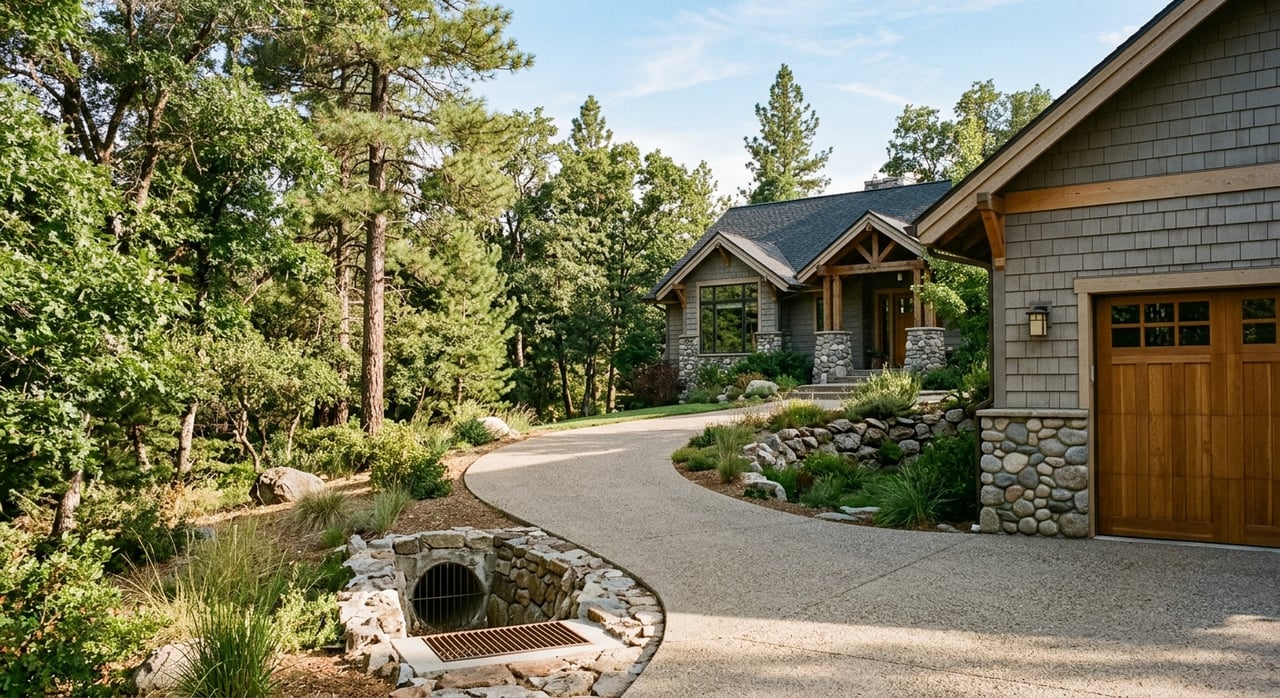
Buying Acreage In Bootjack: A Practical Guide
May 28, 2026
May 28, 2026
If you are thinking about buying acreage in Bootjack, it helps to know this up front: rural land can offer space, privacy, and flexibility, but it also asks more of you before you buy. You are not just choosing a view or a homesite. You are also evaluating access, water, wastewater, setbacks, and wildfire planning. This guide will walk you through the practical checks that matter most in Bootjack so you can move forward with more confidence. Let’s dive in.
Bootjack is a rural planning area in Mariposa County, and it does not have an adopted area plan. The county General Plan identifies Bootjack as a Community Planning Area and notes that the area does not have a public water or wastewater treatment center. That means you should approach land here with a parcel-by-parcel mindset instead of assuming it works like an in-town lot.
For you as a buyer, that changes the homework. Open space and privacy can be a big part of the appeal, but those benefits often come with more responsibility around water supply, septic, road access, fire clearance, and permitted improvements. In Bootjack, due diligence is not a formality. It is part of deciding whether the land fits your goals.
Access is one of the first things to verify when you buy acreage. A parcel may look straightforward on a listing, but you still need to confirm how you legally reach it and what kind of road serves it. In rural areas, that detail can shape everything from day-to-day use to future building plans.
Mariposa County provides parcel information tools, APN maps, and GIS resources that can help confirm parcel boundaries, zoning, road information, and recorded documents. Since vacant land may not have a street address, you may need the APN to research the property properly. That is often the cleanest starting point.
This is a key distinction for Bootjack buyers. A parcel may have legal access through a recorded easement or road right-of-way, but that does not automatically mean the county maintains that road. Mariposa County’s subdivision code makes that difference clear.
The county requires a nonexclusive access easement for each parcel to a qualifying road. It also states that some road rights-of-way outside the county road system may be accepted for access and circulation but not for maintenance. In practical terms, you want to know whether the road is county-maintained, privately maintained, or shared by neighboring owners.
Before you remove contingencies, it helps to answer a few basic questions:
These answers can affect cost, usability, and long-term ownership expectations.
Acreage can be deceiving in person. Fences, driveways, and worn travel paths do not always match legal parcel lines. That is why county parcel tools matter so much early in the process.
Mariposa County’s Assessor-Recorder resources can help you review parcel maps, APN-based information, zoning references, and recorded documents. When you are looking at vacant land in Bootjack, this step helps you confirm what is actually being sold and whether there are any obvious issues to investigate further.
In Bootjack, water and wastewater are often the most important utility questions. Because there is no public water or wastewater treatment center serving the area, you should expect these systems to be a central part of your due diligence.
Mariposa County Environmental Health oversees both septic systems and water well systems. The county also processes well and septic applications through its online permitting system. That local review process is a major part of understanding whether a parcel can support your plans.
The county General Plan gives an important caution for land buyers in Mariposa County. Where sewer is not available, new parcels must have approved sewage disposal and an approved potable water supply before final map recordation. Acceptable water supply options can include public water, a pre-approved shared well, or a drilled well approved by the Health Department.
The same plan also warns that groundwater in Mariposa County is found in fractured bedrock. Because of that, drilling costs can vary widely, and there is no guarantee a parcel will produce enough potable water of adequate quality and quantity. For a buyer, this is one of the biggest realities to understand before assuming a parcel is buildable.
Acreage buyers sometimes focus heavily on views, topography, or access and leave septic questions for later. In Bootjack, that can be risky. Septic feasibility is one of the core factors that can affect how the land can be used.
Because septic review is handled locally through Environmental Health, it makes sense to investigate this early. If your goal is to build, improve, or hold land for future use, septic and water should be near the top of your checklist.
A beautiful parcel still needs a workable building envelope. In Mariposa County, setbacks and permit requirements can affect where you place a home, driveway, and related improvements. That is why zoning and development standards should be reviewed before you get attached to a layout in your head.
Mariposa County says it has adopted the 2022 California Building Code. The county FAQ also explains that outside adopted Town Specific Plan areas, new residential construction setbacks are generally 25 feet from property lines and at least 55 feet from the center lines of public access roads or easements.
The same county FAQ notes that the State Fire Safe Regulations establish a 30-foot setback from property lines, enforced through the building permit process by CAL FIRE. That means your actual usable building area may be shaped by more than one rule. On rural land, those dimensions matter.
This is especially important if a parcel has an irregular shape, sloped areas, or access routes that cut across likely building locations. A lot may seem large on paper, but the practical homesite can be more limited once setbacks and fire requirements are applied.
In Bootjack, wildfire planning is not a side issue. It is a normal part of rural ownership. If you are buying acreage here, you should expect defensible space and vegetation management to be part of ongoing property care.
CAL FIRE states that 100 feet of defensible space is required by law under Public Resources Code 4291, or to the property line, whichever is closer. CAL FIRE also breaks defensible space into 0 to 5 feet, 5 to 30 feet, and 30 to 100 feet zones, which gives you a practical framework when you evaluate a parcel or future building site.
CAL FIRE’s Fire Hazard Severity Zone tools can help you understand the hazard level identified for a property area. CAL FIRE explains that these maps evaluate hazard, not risk, based on factors such as slope, fuel, and fire weather. That distinction matters, but the maps are still useful when you are comparing land options.
Mariposa County’s GIS resources also include a Public Information Map that can help you monitor active fires, road closures, evacuation zones, and power outages during emergencies. For rural buyers, these tools can add important context to the ownership picture.
If you want a simple framework, start here before removing contingencies:
This kind of checklist will not answer every question, but it can help you avoid common surprises.
The most prepared acreage buyers do not treat raw land like a simpler version of buying a house. They treat it like its own category. In Bootjack, that usually means spending more time upfront on maps, permits, utilities, and access.
That extra effort can pay off. When you understand the parcel’s constraints and possibilities early, you can make a more informed decision about value, timing, and future plans. You are not just buying land. You are buying a set of practical realities along with the space and potential.
If you are considering acreage in Bootjack, clear local guidance can make the process much easier. For practical insight and thoughtful support as you evaluate rural property, connect with Shannon OBrien.
Stay up to date on the latest real estate trends.
Let me work hard for you and make all your real estate investments easy, fun, and most importantly, happen! I look forward to working with you.
40307 Highway 41 Oakhurst, CA 93644