Living In Fresno: Everyday Life In The Central Valley
February 19, 2026
February 19, 2026
What does a typical Tuesday look like in Fresno? You might grab coffee near downtown, cruise a 22‑minute commute, squeeze in a jog at Woodward Park, and still make it home for dinner before the heat settles. If you want more space for your budget, access to the Sierra, and everyday convenience, this Central Valley city can be a strong fit. In this guide, you’ll get a clear picture of daily life in Fresno, from neighborhoods and commutes to parks, climate, and weekend getaways. Let’s dive in.
Fresno is a mid‑sized city with about 550,105 residents and a diverse, relatively young population. According to the U.S. Census QuickFacts for Fresno, the city’s racial and ethnic mix includes a majority‑Hispanic community. The median household income is roughly $70,991 and the median owner‑occupied housing value is about $374,800 based on multi‑year estimates.
For current pricing, the active resale market’s median sale price sat near $399,500 in January 2026. That number will shift with the market, so use it as a snapshot and plan to check updated MLS reports before you buy or sell.
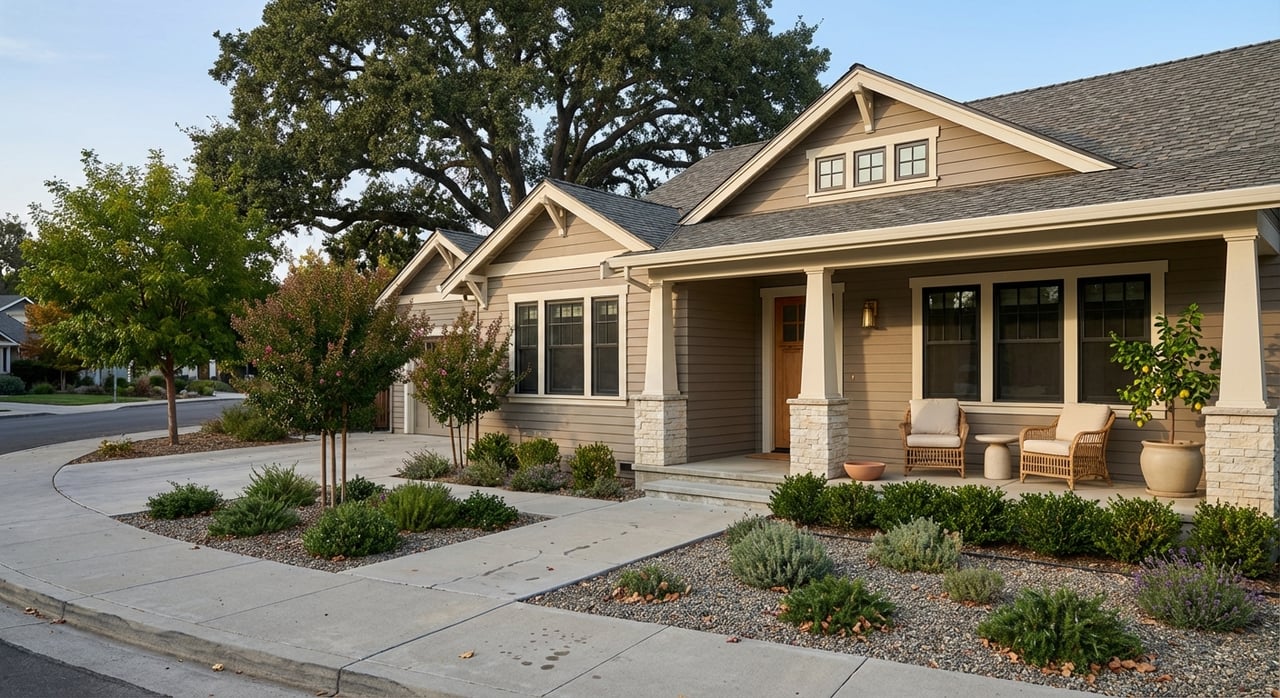
Fresno spreads across a wide footprint, from historic tree‑lined streets to newer suburban tracts. Your daily routine can look very different depending on where you land.
Near downtown, the Tower District centers on Olive Avenue with restaurants, bars, live music, and an arts scene. It is one of Fresno’s more walkable pockets within the district’s core blocks. Many residents enjoy an evening show at the Tower Theatre and a late bite without moving the car.
If you want trails and open space close by, Woodward Park anchors the northeast with miles of paths, a small lake, and the Shinzen Japanese Garden. The area tilts toward an outdoor routine, with morning jogs, weekend events, and family meet‑ups in the green spaces managed by the city’s parks, trails, and facilities.
Some of Fresno’s most established streets sit in older, leafy areas such as Old Fig Garden, known for mature landscaping and long‑running traditions like Christmas Tree Lane. The Old Fig Garden Homeowners Association highlights neighborhood history and community events that shape local identity.
Roeding Park, Storyland/Playland, and the Fresno Chaffee Zoo are classic in‑city outings. Many households mix weekday routines with park time, bike rides along the river Parkway, and casual dining across neighborhood centers.
You sit in one of the most productive agricultural regions in the country. Expect seasonal produce, farmers markets, and menus that lean fresh. Community events often follow the farm calendar, so your meals reflect what’s growing in the Valley.
Most daily trips happen by car. Fresno sits at the crossroads of CA‑99, CA‑41, and CA‑180, which makes regional travel straightforward. The average one‑way commute is about 22.4 minutes per the Census, and off‑peak drives often feel quick for a city this size.
Fresno Area Express (FAX) runs city bus routes, including the FAX Q bus rapid transit service on Blackstone and Kings Canyon. The Q line offers more frequent service along a core spine. Transit works well for some commutes and errands, though a car remains faster for many non‑peak trips.
Downtown’s Amtrak station ties you into the San Joaquins corridor, with Amtrak San Joaquins station information that shows connections north and south plus Thruway buses. This is handy if you want to skip a drive to the Bay Area or Southern California.
For flights, Fresno Yosemite International Airport (FAT) has expanded service and set record passenger totals in the mid‑2020s. See the airport’s update on Fresno Yosemite International Airport passenger growth to get a feel for recent routes and investments.
A downtown station is planned as part of California’s high‑speed rail buildout. The planned California High‑Speed Rail station in Fresno is in design and activation phases. Timelines depend on funding and phasing, so treat it as a potential long‑term boost to regional connectivity rather than a near‑term commute change.
Fresno is a common gateway to Yosemite via Highway 41. Reaching the South (Wawona) entrance often takes about 1.5 to 2 hours, with Yosemite Valley a bit farther depending on traffic and season. During peak months, the YARTS seasonal bus service can take you into the park without a car.
Both parks are realistic day trips. Plan for about 1 to 2 hours to reach main entrances, with longer times for high‑elevation destinations. Mountain roads, snow, and summer traffic can stretch the drive, so check conditions before you go.
Fresno has hot, dry summers and cool, wetter winters. Expect many 90‑degree days and frequent 100‑degree peaks in July and August, with most rain falling in the winter months. See detailed climate normals for Fresno to plan your schedule and home features.
Air quality is a real tradeoff in the Central Valley. The region has appeared in the American Lung Association’s State of the Air report for elevated levels of particle pollution and ozone. Wildfire smoke can also impact certain weeks. Many residents use local AQI tools and adjust workouts and kids’ playtime on bad‑air days.
Home comfort tips:
These benchmarks help frame your budget. Because local prices move with market cycles, confirm a fresh neighborhood‑level analysis before you write offers or prep a listing. Also weigh utility costs for summer cooling, commute tradeoffs, and proximity to parks and services that match your routine.
Thinking about a move and want a clear, step‑by‑step plan? Reach out to Shannon OBrien for a friendly consult and practical guidance on timing, budgeting, and your next steps.
Stay up to date on the latest real estate trends.
Considerations when deciding if it's the right moment to downsize.
Learn to make the most of your visit and explore its natural wonders.
Explore the detailed steps involved in the appraisal process to make informed decisions.
Learn essential steps to get your house ready for the market and attract potential buyers.
Let me work hard for you and make all your real estate investments easy, fun, and most importantly, happen! I look forward to working with you.
40307 Highway 41 Oakhurst, CA 93644