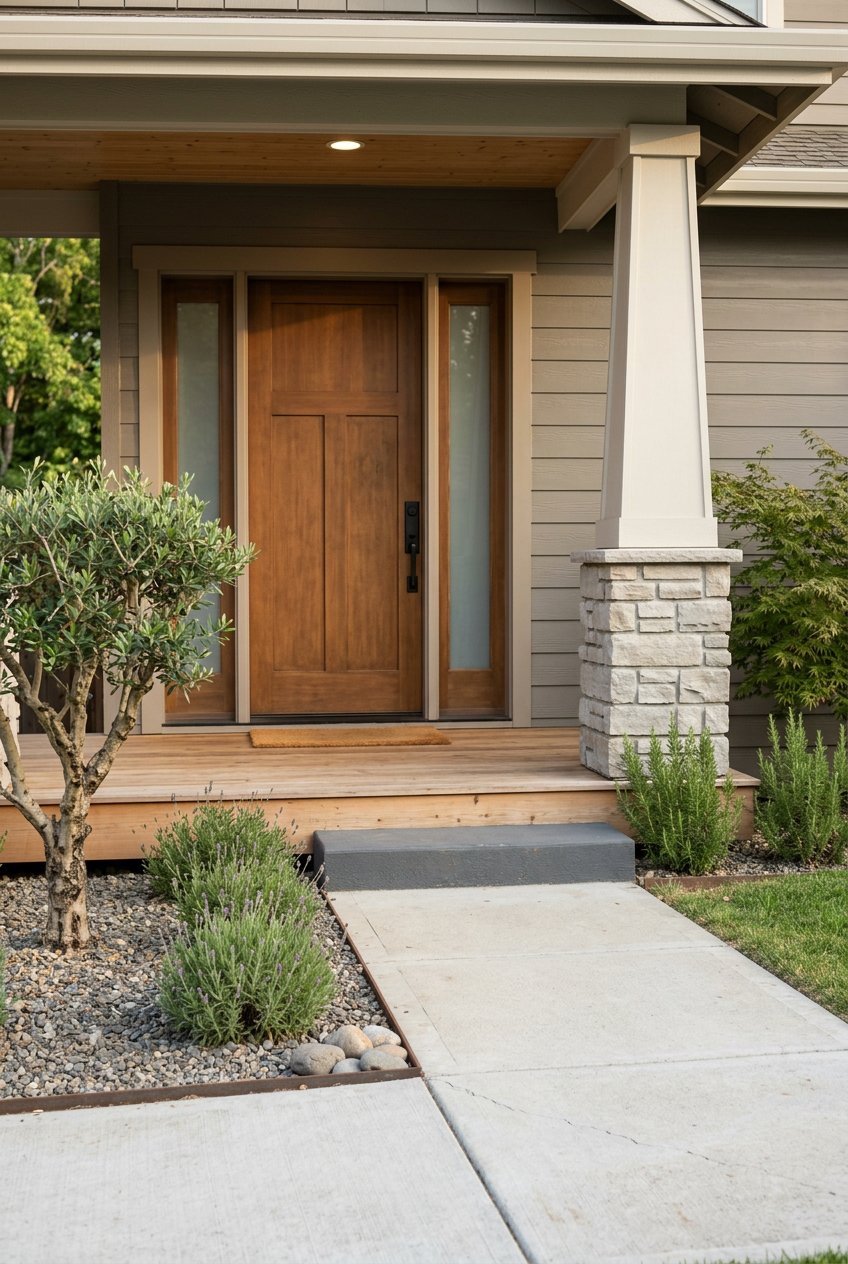
Sell Your Clovis CA Home With Confidence and Clarity
March 24, 2026
March 24, 2026
Thinking about selling your Clovis home but not sure where to start? You are not alone. A successful sale in today’s market comes down to timing, preparation, smart pricing, and clean paperwork. This guide walks you through each step, so you can move forward with clarity and confidence. Let’s dive in.
Clovis sits in a mid‑priced Central Valley market where values track closely with Fresno County trends. Recent county reports showed modest year‑over‑year price growth and longer average days on market compared with the prior year. Use this as helpful context and pull the freshest data before you list, because numbers shift month to month. For background on county trends, review a current county‑level snapshot from a trusted source like Rocket’s Fresno County market overview.
Spring often brings strong buyer activity due to tax refunds and move planning. In any season, the first 48 to 72 hours online are critical. Plan your prep so the listing can debut fully ready with staging, pro photos, and a clear price. If your timeline is flexible, target a weekday morning when buyers and agents are most active online.
Buyers in Clovis watch the same comparable sales you do. Ask your agent for a current comparative market analysis that focuses on very recent closed sales, pending deals, and similar active listings in your micro‑neighborhood. Listing within the right price band helps you clear common search buckets and capture attention early. If activity is slow after the first week, consider a timely adjustment rather than waiting too long.
Fix known roof issues, electrical problems, or active termite damage before you go live. In California, you must provide a Real Estate Transfer Disclosure Statement that describes the property’s condition. Preparing early and updating if facts change keeps your sale on track. For an overview of disclosure duties, see the California Department of Real Estate’s guidance on seller disclosures and timing.
Deep clean kitchens and baths, remove excess furniture, and store personal items. Aim for light, neutral spaces that let buyers picture their own life in the home. Pay attention to odors and pet areas. A fresh, simple backdrop photographs better and shows better.
Clovis summers are warm, so buyers pay attention to cooling, shade, and low‑maintenance landscaping. Service the HVAC, replace tired filters, and highlight any recent upgrades. Tidy up yards and refresh mulch or rock to present a drought‑aware, easy‑care look.
You do not need to stage every space to get results. Focus on the entry, main living area, kitchen, primary bedroom, and primary bath. National surveys show that staging can shorten time on market and can increase offer value. For a data‑driven view, review the latest report on how staging affects sale price and speed.
Your photos are your first showing. Hire an experienced real estate photographer, include a simple floor plan, and add a short video or 3‑D tour. These assets drive more online views and can translate into more in‑person showings. Schedule photos after staging and yard cleanup for maximum impact.
Not every project pays off at resale. In the Pacific region, exterior and targeted cosmetic projects often recoup the strongest share. Examples include a new garage door, a refreshed entry door, minor kitchen updates, and curb‑appeal improvements. For current return‑on‑investment data by project, see the latest Cost vs. Value Report.
Projects to skip before listing often include major luxury add‑ons or highly personalized spaces that most buyers will not value. When in doubt, compare your home to the most similar recent sales in your Clovis neighborhood and match the finish level buyers rewarded there.
The first few days set the tone. Make a checklist and stick to it:
If you plan an open house, use your first weekend wisely. Do not go live until the listing is truly ready.
Boost your MLS reach with targeted advertising and email to local agents. If you are using a budget, place dollars first on visual assets before heavy ads. Promote the virtual tour in social posts and email to drive qualified traffic during the early days on market.
In‑person showings still help, especially when scheduled right after launch. Choose time blocks that work for your property and safety needs, and coordinate with your agent for buyer follow‑up. Keep the house cool, lights on, and valuables stored.
Fresno County collects documentary transfer tax and recording fees, which are typically handled through escrow at closing. For county rules and recording practices, check the recorder’s office resources on recorded documents and transfer taxes. Beyond any negotiated commission, most sellers also budget for escrow and title fees, prorated property taxes, HOA document or payoff fees when applicable, and any repairs agreed to in the purchase contract.
Many California escrows close in about 30 to 45 days, but timing depends on the buyer’s loan conditions, title work, HOA documents, and agreed dates. Order termite or pest reports and any required permits early to reduce surprises. For a state‑level overview of transaction steps and timing, see the DRE’s consumer disclosures summary.
If you need to buy before your sale closes, options include a bridge loan, a HELOC, or a cash‑out refinance. These tools can help you write a non‑contingent offer, but they come with additional costs and lender rules. Review pros and cons and speak with a lender with experience in timing both sides. For a practical explainer, see this guide on buying and selling at the same time.
A home‑sale contingency can protect you if you must sell first, but it may be less competitive. Set clear dates for accepting an offer, removing contingencies, and closing. Your agent should track these deadlines closely and communicate with the other side so there are no surprises.
If you need a bit of time after closing to move, a written post‑closing occupancy agreement can help. Set the daily or monthly rent, the number of days, and how utilities or insurance will be handled. Some lenders place limits on rent‑backs, so be sure your buyer’s lender agrees before you commit.
A confident sale in Clovis starts with the right plan. Focus on preparation, pricing, a strong online debut, and clean disclosures, and you will give buyers every reason to act. If you want a step‑by‑step plan tailored to your home and timing, connect with Shannon OBrien for a friendly, no‑pressure consultation.
Stay up to date on the latest real estate trends.
Let me work hard for you and make all your real estate investments easy, fun, and most importantly, happen! I look forward to working with you.
40307 Highway 41 Oakhurst, CA 93644