Is North Fork Right For Your Sierra Cabin Investment
May 7, 2026
May 7, 2026
Wondering whether North Fork is the kind of Sierra cabin investment that actually fits your goals, or just looks good in listing photos? That is a smart question to ask before you buy in a small mountain market where recreation access is strong, inventory is mixed, and every property can come with a different ownership story. If you are weighing personal use, long-term enjoyment, and possible rental income, this guide will help you see where North Fork shines, where you need to slow down, and what to review before you commit. Let’s dive in.
North Fork is a small rural community in eastern Madera County, about four miles south of Bass Lake. County planning documents describe it as primarily rural residential, with a small commercial and higher-density area along Road 222 near Mammoth Pool Road. In simple terms, North Fork is part of the Bass Lake and Yosemite recreation corridor, but it is not a full-service resort town.
That distinction matters if you are shopping for a Sierra cabin investment. North Fork tends to feel more like a quiet base camp than a tourism-heavy destination. If you want a place that supports outdoor access and a slower mountain pace, that can be a real advantage.
North Fork is often a better fit for use-first buyers than for buyers chasing easy, high-volume vacation-rental turnover. You may find it appealing if your main goal is to enjoy the property yourself, host family and friends, and keep rental potential as a secondary benefit. The area’s strongest draw is access to recreation, not a large concentration of tourist services.
The practical lifestyle appeal is easy to see. The Sierra National Forest notes that the Sierra Vista Scenic Byway starts near North Fork, and the Bass Lake Ranger District office is located there. Bass Lake recreation includes boating, fishing, hiking, camping, mountain biking, and day-use areas, which gives cabin owners many reasons to use the home beyond major holiday weekends.
If your investment strategy depends on constant visitor traffic, quick booking turnover, or a highly standardized resort market, North Fork may feel less predictable. County descriptions of Bass Lake and Oakhurst show those communities offer more tourism infrastructure and services. North Fork stands apart as a smaller rural-residential setting.
One of the biggest things to understand about North Fork is that it is a thinly traded market. That means there are fewer sales, fewer directly comparable homes, and more room for individual properties to skew the numbers. In markets like this, a single higher-end cabin or acreage sale can make median data look dramatic.
The research supports that point. Realtor.com reported a March 2026 median listing price of $449,000, with 49 active listings and a median 77 days on market. Redfin reported a March 2026 median sale price of $871,000, with only two homes sold and a median 71 days on market.
Those numbers do not create one clean story. Instead, they suggest that North Fork pricing can shift sharply depending on what actually trades. As a buyer, you need to evaluate each property on its own merits rather than rely too heavily on one headline price point.
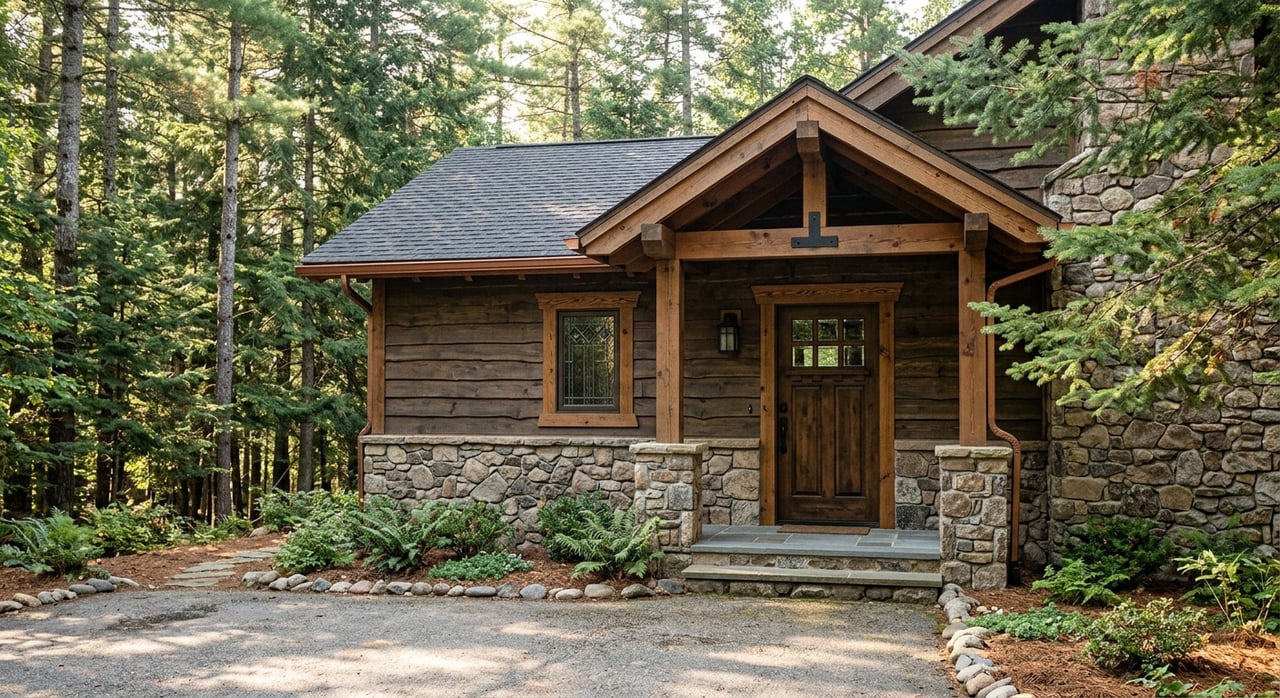
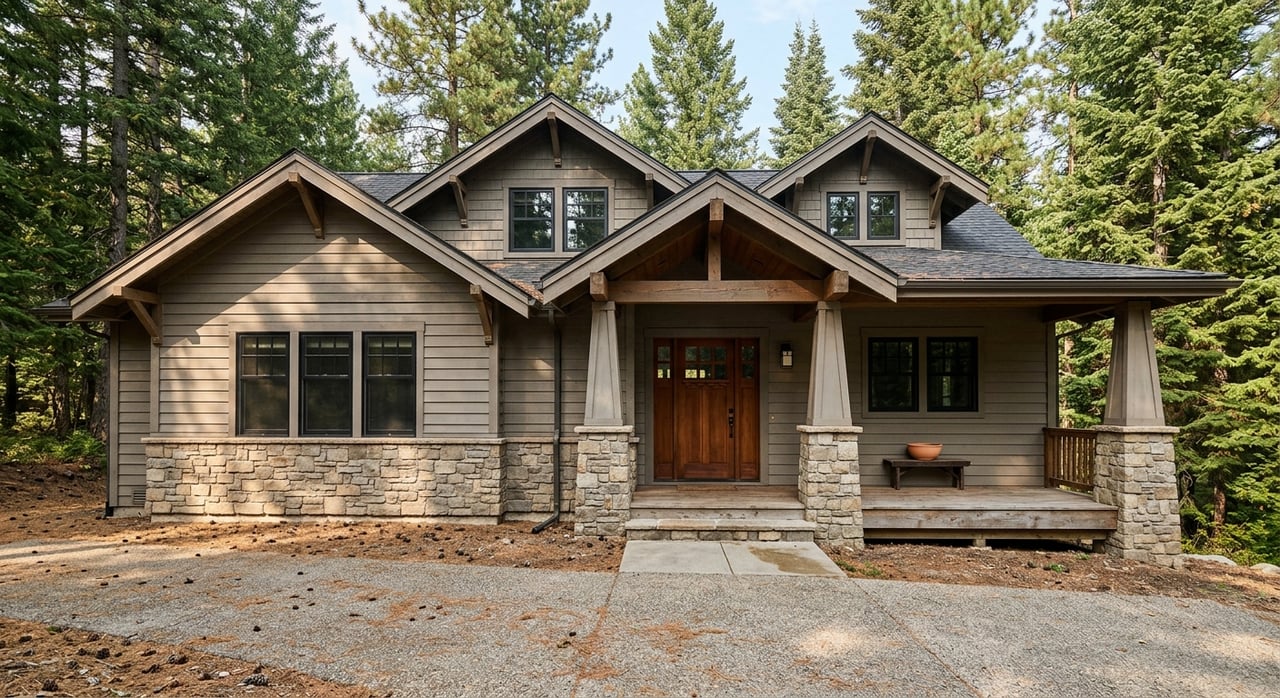
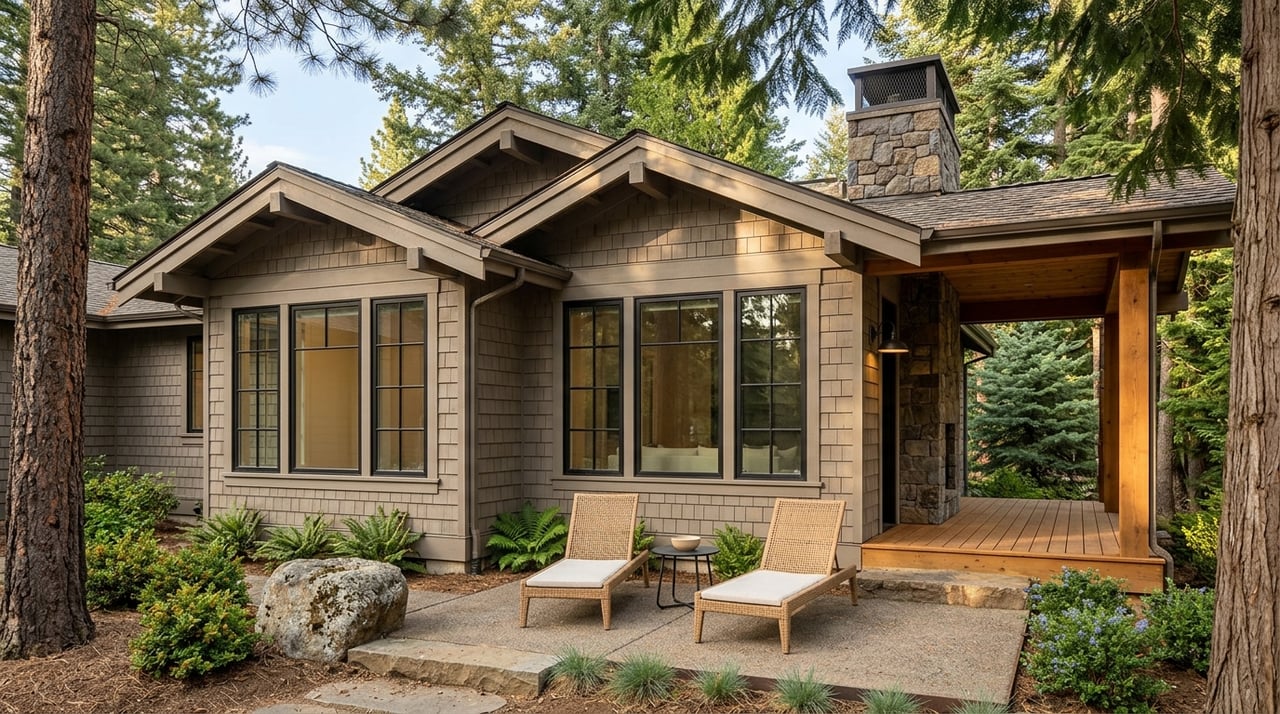
North Fork inventory is mixed, which is common in rural mountain communities. Current listing examples include cabin-style homes, manufactured homes, acreage parcels, and vacant land or rebuild opportunities. That variety gives you options, but it also means your due diligence needs to match the property type.
A cabin on a smaller homesite may offer easier upkeep and stronger second-home appeal. A manufactured home on acreage may offer more land and flexibility, but it can come with a different financing, maintenance, and improvement history. Vacant land or rebuild sites may look attractive on paper, yet they require a much closer look at access, utilities, and buildability.
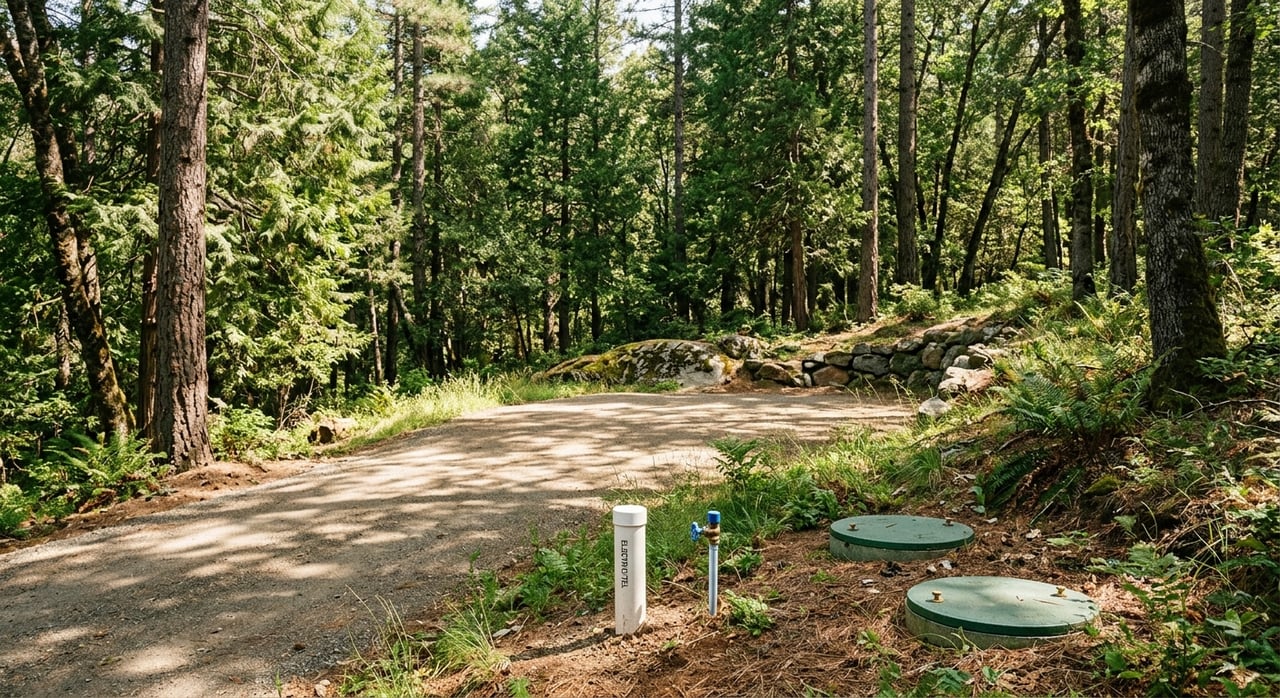
This is also a market where older improvements can complicate the story. One current listing example notes a cabin and septic without permits, while also mentioning a separate permitted septic and an upgraded well. The takeaway is not that every property has issues, but that assumptions are risky here.
If you are considering a Sierra cabin investment in North Fork, your due diligence should go well beyond the usual home tour. Rural properties can have moving parts that directly affect value, use, insurance, and future resale. In North Fork, careful review is essential.
Focus on these areas early:
This matters because older mountain properties do not always have a clean, simple paper trail. If a cabin is marketed for second-home or rental use, you still need to confirm that its systems, improvements, and permitting support that use. In a market like North Fork, the details can change both your ownership costs and your long-term flexibility.
If rental income is part of your plan, Madera County’s rules deserve close attention. The county says short-term vacation rental operators must obtain a non-transferable STVR permit in addition to a business license and transient occupancy tax certificate. The county also states that operators must register within 30 days of starting, advertising, or making a unit available for rent.
Tax compliance is part of the picture too. County guidance says the guest levy totals 11.5 percent, made up of 9 percent transient occupancy tax and 2.5 percent TBID, and quarterly returns are required even when there were no bookings. For an investor, that means the setup and ongoing management side of the business is not casual.
It is also important to know the rules are not static. The county’s STVR page shows the ordinance is still being revised, with a Planning Commission hearing held on April 29, 2026. If you are buying primarily for rental income, you should treat local regulation as an active part of your underwriting, not a one-time box to check.
In North Fork, wildfire preparation is not optional background information. It is part of the real ownership experience. Firewise Madera County lists North Fork as a CWPP priority community and describes heavy brush, narrow roads, and evacuation routes toward Highway 41 and Bass Lake.
The California State Fire Marshal says defensible space is a key wildfire-mitigation requirement in California’s wildland-urban interface. That means your cabin investment may require regular clearing, ongoing vegetation management, and a plan for seasonal readiness. If you will own remotely, this is especially important.
There is also a comfort and use factor to consider. The U.S. Forest Service has warned that prescribed-fire projects in the Bass Lake Ranger District can temporarily reduce air quality in North Fork and nearby communities. For some buyers, that is simply part of mountain living. For others, it affects how often they expect to use the home during certain periods.
North Fork is small, but it is not isolated. Madera County operates a North Fork Transfer Station and also lists a North Fork Branch Library. Those services help explain why the area can work for both year-round residents and weekend owners.
That does not make North Fork a full-service resort hub. It does mean you are buying into a functioning mountain community with some practical local infrastructure. For second-home owners, that can make ownership feel more grounded and manageable.
County housing documents show North Fork has only a modest amount of vacant, zoned opportunity land. The inventory identifies 13.75 acres across seven opportunity sites. While that does not guarantee appreciation, it does suggest that buildable supply is not unlimited.
In a small market, constrained supply can contribute to uneven but meaningful long-term demand for certain property types. It can also help explain why two homes that seem similar on paper may trade at very different prices. Scarcity, utility, and property-specific condition all tend to matter more in places like North Fork.
If you are still deciding where to focus your search, it helps to compare the feel of each market. North Fork is generally the quieter, more rural option. Bass Lake and Oakhurst offer more tourism infrastructure and visitor-facing services.
Here is a simple way to think about it:
| Area | Best fit for | What stands out |
|---|---|---|
| North Fork | Buyers who want a quieter cabin setting with forest access | Rural-residential feel, mixed inventory, use-first appeal |
| Bass Lake | Buyers who want a stronger resort and vacation-home environment | Popular tourist destination with recreation and visitor activity |
| Oakhurst | Buyers who want more services in a Yosemite gateway setting | Hotels, resorts, campgrounds, outfitting, and transit connections |
If your priority is peace, outdoor access, and a cabin that feels tucked into a real mountain community, North Fork may be the right lane. If your priority is heavier tourism traffic and more built-out visitor services, you may want to compare it carefully with nearby alternatives.
North Fork can be a strong Sierra cabin investment if your plan starts with personal enjoyment and long-term use. It offers access to Bass Lake and Sierra National Forest recreation, a quieter setting than nearby tourism centers, and the kind of rural mountain character many cabin buyers want. For the right buyer, that combination can be more valuable than a busier resort atmosphere.
At the same time, North Fork asks more of you as an owner. You need to evaluate permits, septic, water, wildfire readiness, access, and rental compliance with care. If you go in with realistic expectations and a property-specific strategy, North Fork can make a lot of sense.
If you want help evaluating whether a North Fork property fits your second-home or investment goals, connect with Shannon OBrien for practical guidance rooted in Sierra market knowledge.
Stay up to date on the latest real estate trends.
Let me work hard for you and make all your real estate investments easy, fun, and most importantly, happen! I look forward to working with you.
40307 Highway 41 Oakhurst, CA 93644