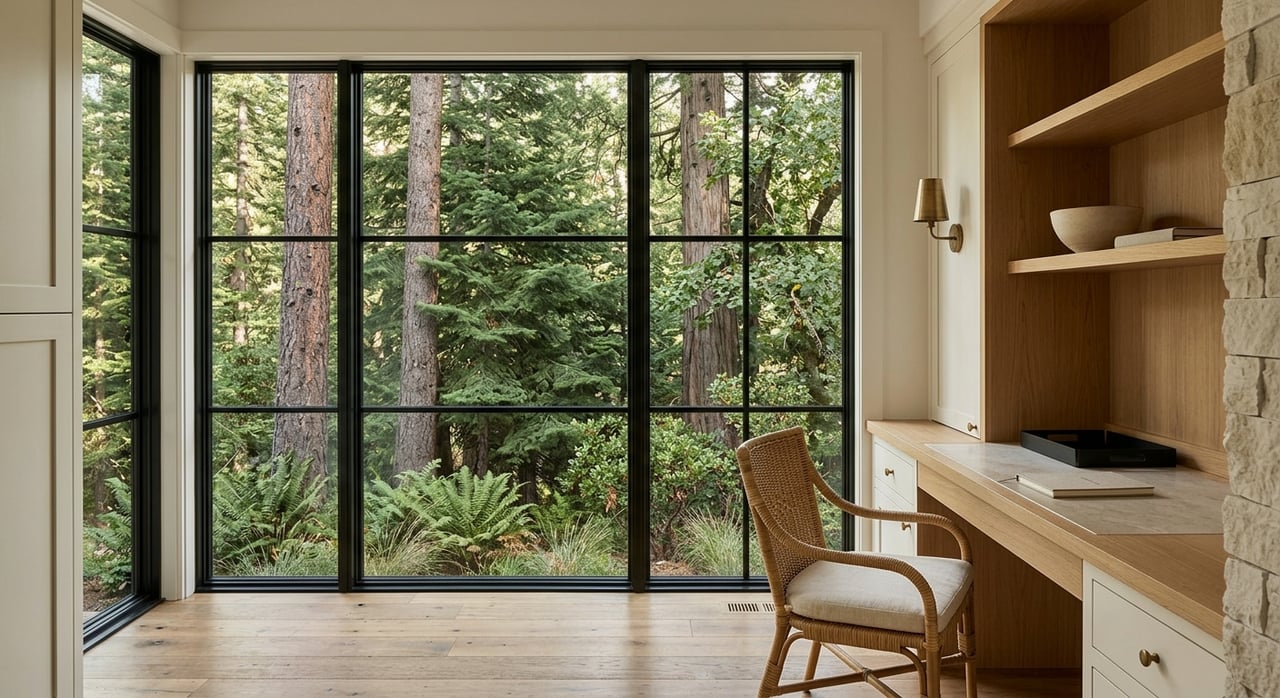
How Yosemite Valley Influences Nearby Home Markets
May 14, 2026
May 14, 2026
Yosemite Valley does more than draw travelers. It shapes how nearby home markets behave, especially in the gateway communities that serve park visitors year-round. If you are thinking about buying, selling, or evaluating a property near Yosemite, it helps to understand how tourism, seasonality, and local rules influence demand. Here’s what that means for you in and around Mariposa County. Let’s dive in.
Yosemite National Park recorded 4,278,413 recreation visits in 2025, and the National Park Service says nearly 75% of those visits happened from May through October. Yosemite Valley is the main destination for most of those visitors. That kind of concentrated travel creates a strong seasonal pulse that reaches well beyond the park itself.
For nearby home markets, that means demand often rises and falls with the visitor calendar. Spring runoff, summer vacation travel, and holiday periods tend to bring the most attention. Even if a buyer is not planning to host guests, properties with convenient access to Yosemite can attract more interest during those high-traffic windows.
The seasons are not all the same, either. Waterfalls usually peak in April or May and can be dry by August, while wildfire smoke can become more common in summer and fall. Those natural patterns help shape when people visit, when they shop for property, and what kind of home features matter most.
The real estate story around Yosemite Valley is really a gateway-community story. Visitor spending in communities near the park reached $628.956 million in 2024 and supported 6,107 jobs, with 96.7% of that spending coming from non-local visitors. That shows just how much Yosemite’s influence spills into surrounding towns rather than staying inside park boundaries.
The Yosemite Mariposa County Tourism Bureau identifies gateway communities such as Mariposa, Midpines, El Portal, Fish Camp, Wawona, and Yosemite West. These are the places where many visitors stay, dine, and spend time before or after entering the park. As a result, these communities often carry more of the economic and housing ripple effects tied to Yosemite travel.
That matters because Mariposa County is a relatively small housing market. The county has a population of 17,048 and 9,862 housing units, with a 74.7% owner-occupied housing rate. In a smaller market like this, even moderate shifts in visitor-driven demand can have a noticeable effect on pricing, inventory, and buyer competition for certain types of homes.
In larger metro areas, one seasonal trend may get absorbed by a deep pool of housing supply. In Mariposa County, the market is thinner and more segmented. That means location, access, and property use can have an outsized effect on value.
A home with easier park access or features that support year-round use may stand apart more here than it would in a bigger market. The same goes for homes that may appeal to second-home buyers or people looking for a vacation-oriented property, as long as the property complies with local rules. In small markets, details matter more.
The county’s visitor-serving economy adds to that effect. Mariposa County reported $107.294 million in accommodation and food services sales in 2022. That local economic base helps explain why homes in certain corridors or gateway areas may attract attention beyond the needs of full-time local residents alone.
While Yosemite creates demand, the surrounding housing market does not currently look overheated. Recent data from major housing trackers point to a buyer-leaning market in Mariposa County, even though exact figures vary by source and methodology.
Redfin reported a March 2026 median sale price of $410,000 in Mariposa County, with 92 median days on market and 18 homes sold. Realtor.com also described the county as a buyer’s market in February and March 2026, with median home prices ranging from about $499,000 to $527,000, sale-to-list ratios from 94% to 98%, and median days on market ranging from 58 to 102 depending on the month.
The exact number matters less than the pattern. Homes are generally taking time to sell, buyers may have room to negotiate, and the market is moving more slowly than in a major urban area. For buyers, that can mean more time to compare options. For sellers, it means pricing and presentation still matter a great deal.
One of the clearest signs of Yosemite’s influence is how different nearby communities can look from one another. Realtor.com’s county-level breakdown shows Mariposa around $475,000, Coulterville around $397,500, Greeley Hill around $359,900, and Catheys Valley around $657,720. That spread suggests buyers are not valuing homes based on proximity to Yosemite alone.
Instead, the market appears segmented by setting, lot type, access, and everyday usability. A home’s route to the park, road conditions, privacy, parcel characteristics, and convenience for regular living can all shape demand. In this region, two homes with a similar drive time to Yosemite may still appeal to very different buyers.
That is why broad market averages only tell part of the story. If you are buying or selling, it helps to look at the specific community and the property’s practical strengths. In a gateway market, the local details are often what move value most.
If you are shopping near Yosemite Valley, it is smart to think beyond the view. Scenery is part of the appeal, but daily livability and local compliance issues often matter just as much over time.
The National Park Service says Highways 41, 140, and 120 provide year-round access, though chains may be needed in winter. The park also continues to experience severe summer congestion, with entrance delays that can reach an hour or more and Yosemite Valley delays of two to three hours. A home’s location relative to those access patterns can affect how convenient it feels in real life.
You should also weigh practical items such as:
For some buyers, a property may work best as a primary home with occasional visits to the park. For others, the appeal may center on seasonal use or guest potential. Either way, it helps to match the property to how you truly plan to use it.
If you are selling near Yosemite, your home’s value story may be stronger when it focuses on function as well as location. Buyers in this market often want to know how a property lives in every season, not just how close it is to the park on a map.
Features worth emphasizing may include reliable access, parking, flexible living space, and suitability for year-round occupancy. If a property has lawful guest-use potential, that can also be relevant, but only if it complies with local standards. Clear, factual marketing tends to build more trust than broad lifestyle claims.
In a slower, buyer-leaning market, realistic pricing also matters. Because conditions vary so much by community, sellers often benefit from a strategy built around local comparables and the property’s actual strengths rather than broad county averages.
In Yosemite gateway communities, potential visitor-oriented use can be part of a property’s appeal. But local compliance is essential. Mariposa County says transient occupancy tax is 12% for stays under 30 days, and the tourism business improvement district assessment is 1.5%.
The county also notes that vacation rental or bed-and-breakfast standards vary by planning area, and some parcels served by MPUD are subject to Ordinance #58. That means you should not assume a home can be used a certain way simply because it seems well-suited for visitors. The rules depend on the property and its location.
For buyers and sellers alike, this is a major part of the value conversation. A home’s legal use profile can influence demand, marketing strategy, and buyer expectations. In a market shaped by tourism, compliance is not a side issue. It is part of the asset itself.
Yosemite Valley has a powerful effect on nearby home markets, but it does not create one simple trend. It creates a layered market shaped by seasonality, gateway-community economics, local rules, and micro-location differences. That is why homes near the park can behave very differently from one another.
For you as a buyer, seller, or property owner, the key is to look past the broad idea of “near Yosemite” and focus on how a specific home fits the market around it. Access, season, livability, and legal use all matter. When you understand those pieces together, you can make much more confident real estate decisions.
If you want local, practical guidance on lifestyle-driven markets and the details that influence value, connect with Shannon OBrien for a personalized conversation.
Stay up to date on the latest real estate trends.
Let me work hard for you and make all your real estate investments easy, fun, and most importantly, happen! I look forward to working with you.
40307 Highway 41 Oakhurst, CA 93644